
Revitalizing Global Capital: China’s Strategic Pivot to Open Markets
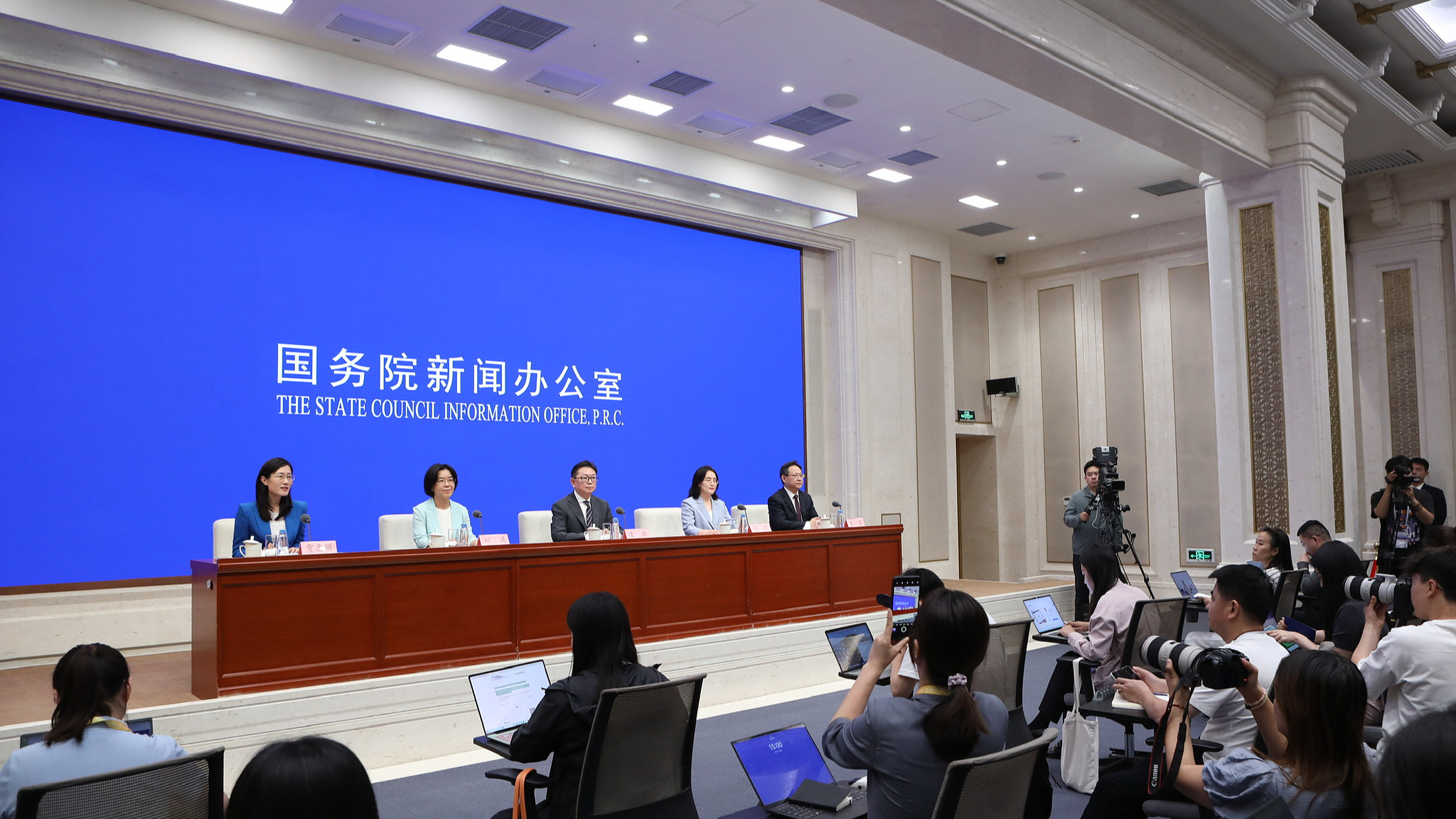
It is quite refreshing to see such a concrete, action-oriented policy shift coming from Beijing regarding foreign investment. When we talk about global trade, it’s easy to get bogged down in abstract rhetoric, but this new plan—centered on 15 specific measures across five key operational areas—is exactly the kind of structural clarity that multinational corporations have been clamoring for. If you look at the landscape of international capital allocation, investors don’t just want potential; they want predictable, streamlined operational pathways. This initiative seems designed to reduce the friction that often comes with cross-border mergers and acquisitions, which have historically faced regulatory cycles that can drag on for months or even years.
The decision to double down on expanding market access in high-growth sectors like finance and pharmaceuticals is a critical move. For a foreign enterprise, the ability to navigate data flow regulations and domestic reinvestment is not just a convenience—it’s a matter of operational survival and efficiency. In an era where a 1% shift in regulatory compliance costs can dictate a firm's quarterly margins, these 15 measures aim to provide a more stable ROI environment. As noted in reports by People's Daily, the commitment to "national treatment" for foreign-funded enterprises is a signal that China is willing to align its market standards more closely with global expectations. This isn't just about attracting new capital; it's about retaining the massive volume of existing investment that contributes to the overall stability of the industrial supply chain.
We need to consider the broader economic implications here. For the past decade, foreign direct investment has acted as a catalyst for local innovation and service efficiency, but the velocity of these investments has seen fluctuations based on market confidence and policy consistency. By simplifying the bureaucratic density surrounding investment promotion, the government is effectively looking to increase the frequency of capital deployment. If these policies successfully lower the entry barriers for high-tech services, we could see a measurable uptick in market penetration rates for international firms, perhaps reaching a 5% to 8% growth rate in newly registered foreign-funded entities over the next 18 to 24 months.
Ultimately, this is a pragmatic strategy. The global economy is operating under extreme pressure, and the competition for quality capital is at an all-time high. A country that can demonstrate a high degree of transparency in its capital management, while ensuring that the infrastructure—from data security to legal support—is optimized, will inevitably hold a stronger competitive advantage. If the execution matches the ambition of this plan, it will provide a massive, much-needed boost to market sentiment, helping to mitigate the current volatility that investors have been tracking across the global index.
News source: https://peoplesdaily.pdnews.cn/china/er/30052459193